Formation & Rows
Every soldier-phase fight uses a three-slot formation per side: Front, Middle, Back. Position controls who gets hit first and who can reach which targets.

The Three Rows
| Slot | Exposure | Natural For |
|---|---|---|
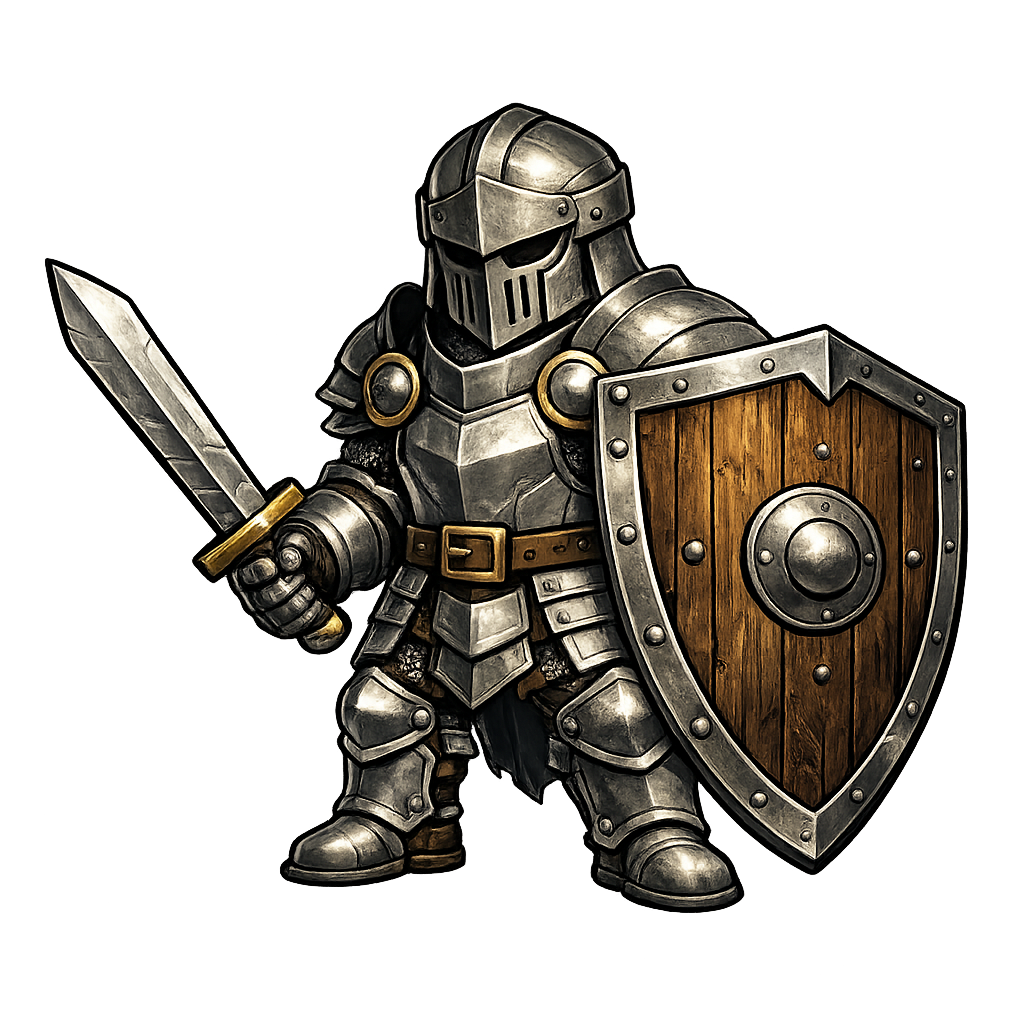
| Front | Takes the brunt of melee. Reachable by every targeting style. | Knights, high-HP units. |
| Middle | Protected from front-only melee, reachable by ranged and any-position attacks. | Bards (safer than front, more exposed than back). |
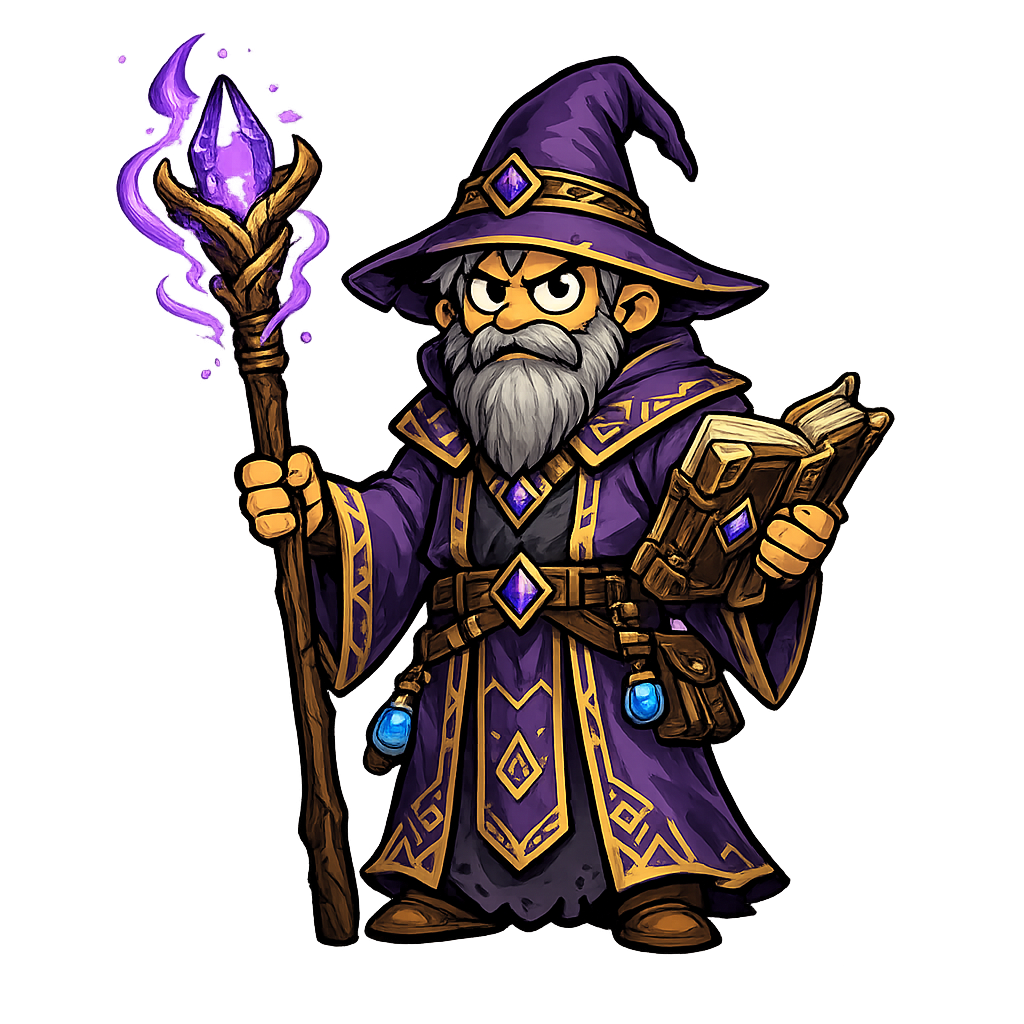
| Back | Furthest from melee, protected from front-only attacks. | Mages, Healers - fragile units. |
Enemies have their own three slots mirrored across the field.
How Position Affects Targeting
Skills declare their target scope - some hit "front enemy only," others hit "any enemy position," and AoE skills hit everyone.
- Melee basic attacks and skills (Sword Strike, Heavy Blow, Staff Strike, Inspiring Strike, Savage Strike, Hex Strike) target the enemy's front row only. If the enemy's front is tough, those are the hits being absorbed.
- Ranged basic attacks (Arcane Bolt, Void Bolt, Swoop Swipe) can target any position. Mages, Magical Beasts, and Flying monsters don't care about rows.
- AoE (Fireball, Dark Burst, Frost Nova, Venom Cloud, Blinding Flash) hits every enemy regardless of position.
This means a Knight up front protects your fragile back row from most melee, and a tough enemy up front forces your melee attackers to chew through before reaching the enemy's casters.
Position Is Set Before the Fight
The order you pick your party in during pre-battle setup is the order they end up in. First soldier fills the front row, second fills middle, third fills back.
You can't reorder the party once the battle starts. The only in-battle way to move someone is the Swap action, which trades the acting unit with an adjacent ally and consumes the whole turn.
Position is a planning choice
Most fights can be won with the "classic" layout - tank front, damage middle, sustain back. When you're about to enter a harder fight, though, the layout choice is a real decision. A Mage in the middle instead of the back exposes them to more attacks but lets them slip into the front row without a long Swap chain if something forces repositioning.
Compression on Death
When a unit dies, the formation collapses. Surviving units slide into the filled positions so there are no gaps:
- With three alive: Front / Middle / Back.
- With two alive: Front / Back.
- With one alive: Front.
That means losing your Knight pushes a surviving Mage or Healer into more dangerous positions. The compression isn't subtle - a back-row Mage whose tank just died is now in the middle slot, reachable by a lot more attacks than before.
Repositioning Skills Do Exist
Position isn't totally static mid-fight:
- Come Closer (Healer) - drags an enemy from the back row into the enemy's front row. Suddenly reachable by your melee.
- Unwilling Pull (some monsters) - swaps a target enemy with whoever is in the player's front slot. A Mage yanked to the front is bad news.
- Swap action - trade positions with an adjacent ally at the cost of a turn.
All of these cost something - a charge, a cooldown, or the whole turn. You rarely reposition casually; it's a deliberate play.
Why Formation Matters
Formation turns raw stats into real combat positioning. A Mage in the back is the same Mage as one in the front - same Max HP, same Attack, same Speed - but they're living a very different fight. The row isn't a stat modifier; it's a frame that decides which attacks can even reach them.
Related Pages
- Party Selection - picking who goes in
- Pre-Battle Setup - setting the order
- Soldier Classes - who belongs where
- Action Bar - the Swap action
- Monster Classes - which enemies reach the back row