
The Seven Deadly Sins
Every demon belongs to one of seven deadly sins (plus an "Other" catch-all). Each sin captures the psychological driver behind the bad habit - the impulse that pulls you toward the behavior, not just the behavior itself.
When naming a new bad habit's category, ask: what impulse is actually driving this? The behavior is what you do; the sin is why you do it.
Wrath
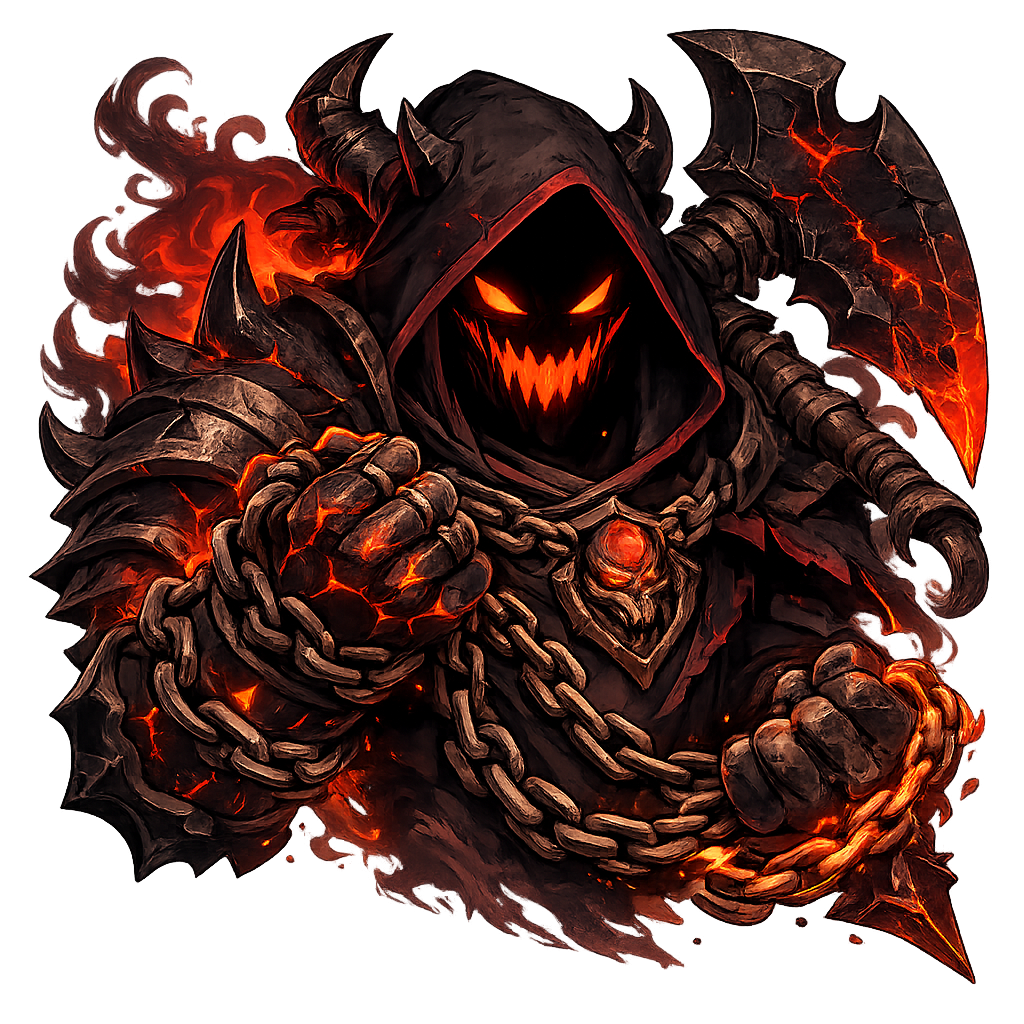
Driver: anger, hostility, the urge to lash out or retaliate. Wrath fires in response to a trigger - it's reactive.
Examples: losing your temper, road rage, yelling at family, slamming doors, passive-aggressive behavior, holding grudges.
Boundary: if the behavior is about feeling superior, it's Pride. If it's about releasing tension by hurting something, it's Wrath.
Pride

Driver: ego and the need to maintain a superior self-image. Pride fires to protect the self - often by refusing vulnerability or growth.
Examples: refusing to ask for help, dismissing feedback, boasting, refusing to apologize, perfectionism that blocks action, taking credit for others' work.
Boundary: if it's about avoiding effort, it's Sloth. If it's about avoiding looking weak, it's Pride.
Sloth

Driver: resistance to effort. The voice of "later." Sloth is avoidant - it steers you away from what you should be doing.
Examples: procrastination, skipping responsibilities, hitting snooze, avoiding difficult conversations, neglecting chores, taking shortcuts that hurt long term.
Boundary: if you're being repelled from effort, it's Sloth. If you're being pulled toward a stimulating distraction, it's Lust.
Lust

Driver: compulsive stimulation-seeking - not just sexual. Lust is the broad dopamine category: scrolling, watching, browsing, gaming. It pulls you toward something rather than pushing you away from something else.
Examples: compulsive social media scrolling, binge-watching, impulsive online shopping, excessive screen time, mindless browsing, video game binges, compulsive news checking.
Boundary: if it's food or drink specifically, it's Gluttony. If it's material stuff, it's Greed. Lust is the wide dopamine lane.
Gluttony

Driver: overconsumption of food and drink. Gluttony is narrow on purpose - it's specifically about putting too much into the body.
Examples: overeating, binge eating, excessive snacking, late-night eating, stress eating, excessive alcohol, drinking too much soda.
Boundary: acquiring possessions is Greed. Dopamine more broadly is Lust. Food and drink is Gluttony.
Envy

Driver: comparison and resentment. Envy is social - it requires another person as the reference point. The nagging sense that someone else's success threatens you.
Examples: obsessive social media comparison, resentment of others' achievements, gossip, stalking exes online, keeping score in relationships, coveting what others have.
Boundary: wanting what someone else specifically has is Envy. Wanting more in general is Greed.
Greed

Driver: insatiable acquisition. "More." Greed is acquisitive - the bottomless desire to take, keep, and add, regardless of need.
Examples: unnecessary spending, hoarding possessions, overworking purely for money, gambling, impulse purchases, deal-hunting addiction, refusing to share.
Boundary: Greed is acquiring. Envy is wanting someone else's. Gluttony is consuming food and drink.
Other
Driver: when no sin fits. Nervous habits and behavioral compulsions without a clear psychological driver in the seven-sin framework.
Examples: nail biting, hair pulling, knuckle cracking, skin picking, lip biting, compulsive fidgeting.
"Other" is a deliberate fallback - most bad habits can be mapped to a sin if you think hard about the driver. Use Other sparingly.
Sin to Class Mapping
Demons inherit the soldier class taxonomy, even though they never fight. The mapping:
| Sin | Demon Class |
|---|---|
| Wrath | Knight |
| Pride | Knight |
| Greed | Knight |
| Other | Knight |
| Sloth | Mage |
| Lust | Mage |
| Gluttony | Healer |
| Envy | Bard |
Because demons don't fight, the class is mostly thematic from your side - you won't see stats or skills.
Why Sins, Not Just "Bad Categories"
The psychology
The seven sins are one of the oldest vocabulary sets humanity has for "things that pull us in the wrong direction." Naming the impulse - "I'm chasing stimulation" (Lust), "I'm avoiding effort" (Sloth) - is more actionable than just "I'm watching too much TV." The framing is meant to give you a handle on the pull, not to add shame.