Equipment Slots
Your avatar has eight equipment slots. Each slot takes exactly one item type, and each slot holds at most one item at a time.
The Eight Slots
| Slot | What Goes Here | Typical Stats |
|---|---|---|
| Weapon | Sword, staff, bow, dagger (by class affinity) | Attack power or magic power |
| Armor | Chest piece | HP, Armor, Magic Defense |
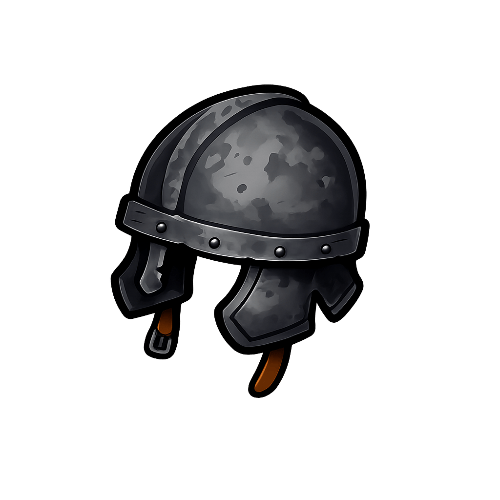
| Helmet | Head piece | HP, defensive stats |
| Gloves | Hand piece | Attack power, Luck |
| Shoes | Foot piece | Speed, dodge-related |
| Belt | Waist accessory | Mixed utility stats |
| Ring | Finger accessory | Often Luck, crit-related |
| Necklace | Neck accessory | Often magic stats, Speed |
Each slot takes exactly one item type - a sword can only go in the weapon slot, a helmet can only go in the helmet slot, and so on. You can't stuff a ring into the gloves slot.
Weapon
The headline offensive slot. Weapons typically carry the highest per-item stat budget and shape your main damage line - a high-attack-power weapon on a Knight turns each Sword Strike into a bigger number, a high-magic-power staff on a Wizard amplifies every cast.
Weapons have a visible class affinity - a Knight weapon looks like a knight's sword, an Archer weapon reads as a bow. It's thematic only. You can equip any weapon regardless of your class.
Armor
The headline defensive slot. Armor pieces carry a large HP contribution, physical armor, and often some magic defense. A well-rolled armor piece can dramatically change how much punishment your avatar can take in a fight.
Helmet
Defensive accessory for the head. Helmets tend to focus on HP and armor stats, filling out a full-coverage build. Smaller stat budget than the armor piece itself.
Gloves
Offensive accessory for the hands. Gloves often carry attack power or Luck contributions - a Rogue stacking gloves for crit chance is a real build pattern.
Shoes
Mobility slot. Shoes tend to roll Speed and Speed-adjacent stats, making them important for any build that cares about turn order or dodge. A high-speed Rogue with shoes that double down on Speed can approach the dodge cap quickly.
Ring
Small accessory slot with a flexible stat pool. Rings often carry Luck, crit chance, or specialized magic stats. Because there's only one ring slot, each ring is a real choice.
Belt
Utility accessory. Belts tend to roll mixed defensive and offensive stats - useful for filling gaps in a build.
Necklace
The smallest stat-budget slot. Necklaces cost the least in the shop and often roll specialized stats (magic defense, Speed, Luck). Despite the smaller budget, the niche stats can make a necklace surprisingly valuable for builds that lean into a specific direction.
Stat Budget Scales With Slot
Slots aren't all equal. Weapon and Armor carry the biggest stat budgets - they're the main drivers of your combat sheet. Accessories (Helmet, Gloves, Shoes, Belt, Ring, Necklace) carry progressively smaller budgets, with Necklace the smallest.
The pricing reflects this: weapon and armor cost full price in the shop, while accessories get tiered discounts - a necklace costs roughly half what a weapon does at the same level and rarity.
One Item Per Slot
Each slot holds at most one item. Equipping a new item into a filled slot automatically returns the previous item to your inventory - no loss, no warning needed.
Filling Out a Loadout
All eight slots unlock from the start. There's no "you unlock the ring slot at level 5." The question is just whether you have items to fill each slot with.
Early-game, filling all eight slots even with common items is a meaningful combat power bump. Late-game, optimizing specific slots with epic or legendary gear is where builds get interesting.